
Cataract Surgery in Palm Beach Gardens and Stuart
At Goldman Eye, restoring your vision is our mission. Led by renowned ophthalmic surgeon Dr. David A. Goldman, our team provides state-of-the-art cataract surgery with advanced intraocular lens (IOL) technology, minimally invasive techniques, and compassionate patient care. In addition, we offer bladeless femtosecond laser cataract surgery and multifocal lenses such as the panoptix pro, vivity and odyssey lenses.
If you’re noticing cloudy, blurred, or faded vision, you may be developing a cataract — a natural aging process in which your eye’s clear lens becomes opaque. Left untreated, cataracts can affect your ability to read, drive, or enjoy the vibrant colors of life. Thankfully, modern cataract surgery is one of the safest and most successful procedures performed today — and at Goldman Eye, we deliver it with precision and care.

What Is a Cataract?
A cataract forms when the natural crystalline lens of your eye becomes cloudy, blocking light from focusing properly on the retina. It can feel like looking through a fogged windshield — images appear dull, colors fade, and glare from headlights or sunlight becomes overwhelming.
Cataracts develop gradually, but when they begin to interfere with your daily activities or reduce your quality of life, it’s time to consider surgery. The only permanent way to restore clear vision is to remove the cloudy lens and replace it with a clear, artificial one.
What Happens During Cataract Surgery
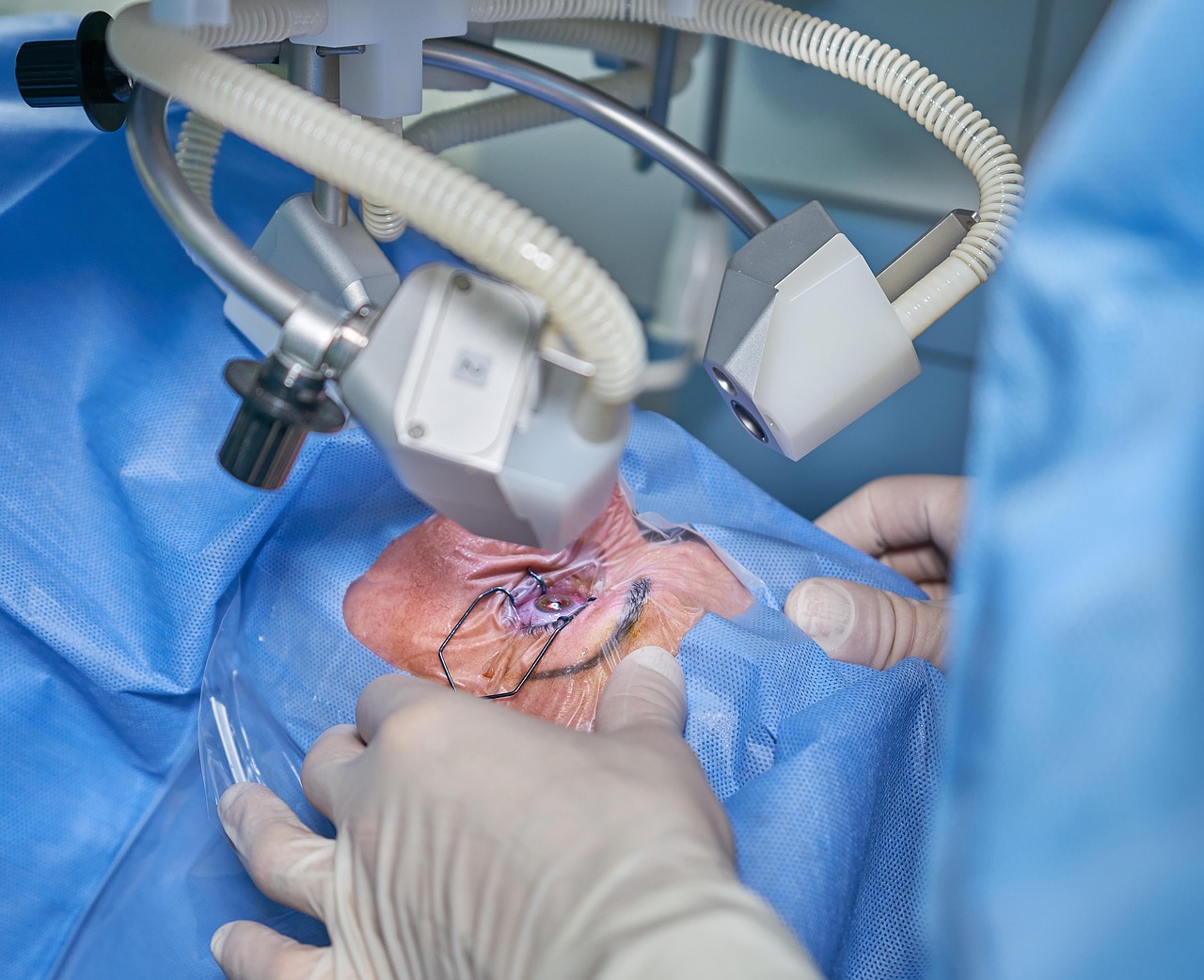
Cataract surgery is a quick, outpatient procedure performed under local anesthesia. Most patients are awake but relaxed, and experience no pain — only light and gentle movement.
Here’s what you can expect:
Cataract Surgery Recovery
Recovery after cataract surgery is typically smooth and quick, but proper care is essential to protect your results.
Here’s what to expect in the days and weeks that follow:
- Use prescribed eye drops exactly as directed to prevent infection and reduce inflammation.
- Avoid getting water or soap directly in the eye.
- Do not rub, press, or touch your healing eye.
- Wear protective eyewear or a shield when sleeping to prevent accidental contact.
- Most patients resume light activities within 24–48 hours, and normal exercise or driving after clearance from the doctor.
We’ll schedule follow-up appointments to monitor your progress and ensure your vision is healing beautifully.

Understanding the Risks of Cataract Surgery
Cataract surgery is one of the safest procedures in medicine, with success rates above 98%. However, as with any surgery, potential risks include:
- Eye infection or inflammation
- Bleeding or swelling inside the eye
- Retinal detachment (rare)
- Dislocation of the IOL
- Fluctuating or blurry vision during healing
Our team takes every precaution to minimize these risks and provides detailed post-op instructions to ensure a smooth recovery. Cataract surgery will not correct vision loss caused by unrelated eye diseases such as macular degeneration, glaucoma, or diabetic retinopathy, but it can dramatically improve clarity and color perception for most patients.
Posterior Capsular Opacification (Secondary Cataract)
In some cases, vision may become cloudy again months or years after cataract surgery — a common and treatable condition called posterior capsular opacification (PCO).
PCO occurs when the thin membrane behind your new lens becomes cloudy, similar to fog on a window. The good news is that it can be quickly corrected with a YAG laser capsulotomy, a painless, in-office procedure that restores clear vision in just minutes.
Intraocular Lens (IOL) Options
Choosing the right IOL is one of the most important steps in your cataract surgery journey. Goldman Eye offers a variety of advanced lenses designed to match your lifestyle and visual goals:
- Monofocal IOLs – Provide clear vision at one distance (usually far); glasses may still be needed for reading.
- Multifocal / Extended Depth-of-Focus (EDOF) IOLs – Reduce dependence on glasses for both near and distance vision.
- Toric IOLs – Correct astigmatism for sharper vision at all distances.
Light Adjustable Lens (LAL) – The latest breakthrough in post-surgery customization.
Light Adjustable Lens — Exclusive to Goldman Eye
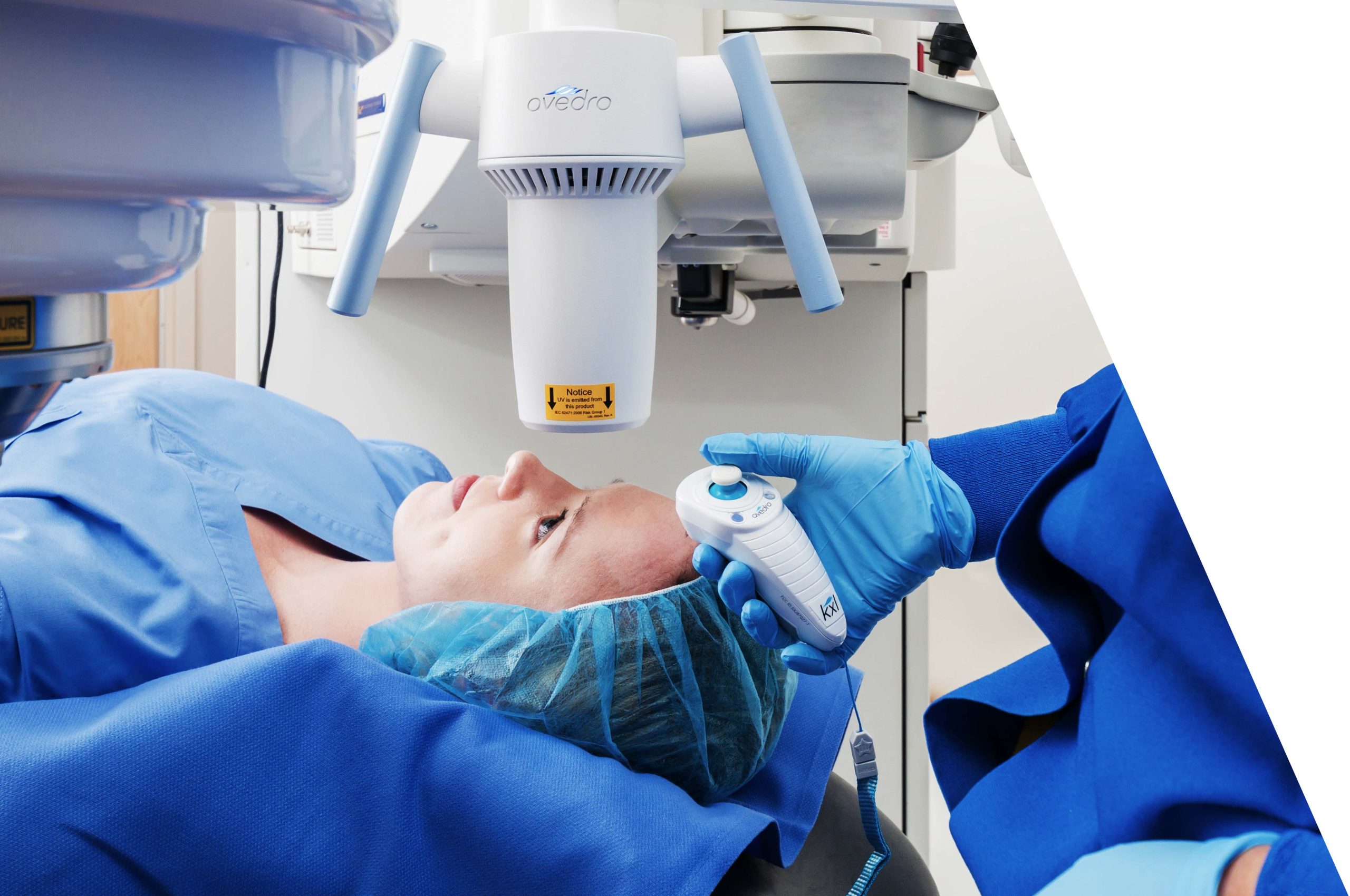
Goldman Eye is proud to be the first practice in Palm Beach, Broward, Martin, and Treasure Coast counties to offer the revolutionary Light Adjustable Lens (LAL) by RxSight®.
After your surgery, this lens can be fine-tuned in-office using a special light delivery device to correct any remaining refractive error. This means your vision can be custom-adjusted after healing — delivering the clearest possible outcome.
Patients who choose LAL often experience 20/20 or better visual acuity without glasses. It’s the most personalized cataract solution available today, and Goldman Eye remains one of the few centers in Florida with this capability.
Cataract Surgery Costs and Insurance Coverage
Most Medicare and private insurance plans cover cataract surgery if your vision has reached a certain level of impairment. Standard monofocal lenses are typically included, while premium or lifestyle lenses (such as multifocal or Light Adjustable Lens) may involve an additional cost.
If you’re not yet eligible for Medicare or your private plan has restrictions, our team can help explore payment options or financing through flexible spending accounts (FSAs) or in-house plans. We’ll provide a transparent estimate and guide you through coverage details before scheduling your procedure.
Why Choose Goldman Eye for Cataract Surgery
- Recognized Excellence – Dr. David A. Goldman is ranked among Newsweek’s Top Ophthalmologists in America for his surgical expertise.
- Advanced Technology – We utilize the most precise diagnostic and surgical systems available, including Argos biometry and RxSight LAL.
- Personalized Care – Every patient receives one-on-one attention, from consultation through follow-up.
- Local Convenience – Located in Palm Beach Gardens, serving Jupiter, North Palm Beach, and surrounding areas.
At Goldman Eye, cataract surgery isn’t just about restoring sight — it’s about improving how you see the world every day.