Comprehensive Eye and Vision Examinations

At Goldman Eye, your eye health is our focus. Regular comprehensive eye examinations are a vital part of preventive healthcare—helping detect potential problems early, often before symptoms appear.
Many eye diseases develop silently, and by the time vision changes are noticeable, damage may already have occurred. Our detailed exams ensure your vision remains clear and your eyes stay healthy for years to come.

Whether you wear glasses, contacts, or have never needed vision correction, we recommend routine evaluations to maintain optimal eye health and identify concerns early.
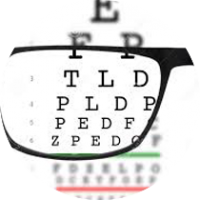
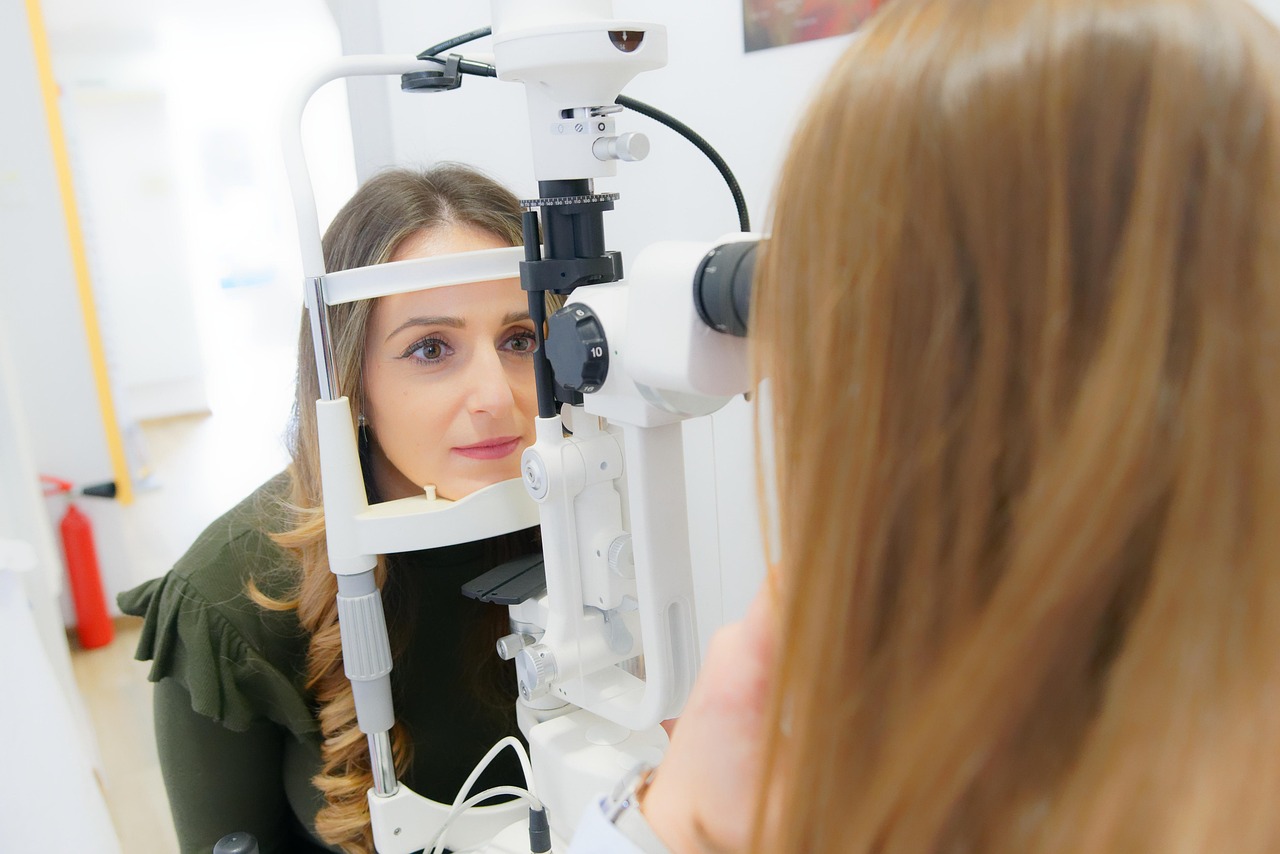
Eye Examination

Why Regular Eye Exams Are Essential

Your eyes do more than help you see—they also reflect your overall health. Conditions like diabetes, high blood pressure, and autoimmune disorders often reveal early warning signs through changes in the eyes.

Routine eye exams allow our doctors to:

  • Detect and manage glaucoma, cataracts, macular degeneration, and diabetic eye disease
  • Monitor your vision changes and update prescriptions as needed
  • Identify systemic health problems early
  • Prevent avoidable vision loss through timely intervention

For children, eye exams support healthy visual development and academic success. For adults, they help preserve long-term clarity and comfort.

What to Expect During Your Eye Exam

At Goldman Eye, your eye exam is customized to your specific needs. We use advanced diagnostic technology and a personalized approach to ensure a thorough assessment of both vision and eye health.

A typical comprehensive examination may include the following components:

1. Patient History

Your doctor will begin by discussing:

  • Current eye or vision concerns
  • Overall medical history and current medications
  • Family history of eye diseases (e.g., glaucoma, macular degeneration)
  • Occupational or environmental factors that could affect your eyes

This information helps us identify underlying causes, risk factors, and lifestyle influences on your vision.

2. Visual Acuity Testing

Visual acuity measures how clearly you can see at different distances.
Using standardized eye charts, we test each eye individually to determine how well you can read letters or symbols both near and far.

Results are expressed as a fraction—20/20 representing normal vision. For example, a result of 20/40 means you must be 20 feet away to see what a person with normal vision can see from 40 feet.

3. Preliminary Tests

Before the full exam, we may perform brief screenings to evaluate specific aspects of your vision, including:

  • Depth perception (how well your eyes judge distance)
  • Color vision (detecting early changes linked to retinal or nerve issues)
  • Eye muscle coordination (ensuring eyes move smoothly together)
  • Peripheral vision (detecting side-vision loss linked to glaucoma)
  • Pupil reactions to light

These tests help us detect potential abnormalities even before symptoms appear.

4. Keratometry and Corneal Topography

Your cornea’s curvature is essential for focusing light accurately.
We use keratometry or corneal topography to measure this curvature by analyzing how light reflects off your eye’s surface.

This is especially important for:

  • Diagnosing astigmatism
  • Fitting contact lenses
  • Planning refractive or cataract surgery

Monitoring corneal diseases such as keratoconus

5. Refraction Test

The refraction test determines the exact lens power needed to correct your vision.
Using an instrument called a phoropter, your doctor places a series of lenses in front of your eyes while you compare which provides the clearest view.

This process identifies whether you are nearsighted, farsighted, or have astigmatism.
In some cases, a retinoscope or automated refractor may be used to objectively measure how light focuses in your eyes.

If needed, dilating drops may be applied to relax your eye’s focusing muscles, ensuring an accurate prescription.

6. Eye Focusing, Teaming, and Movement Testing

Clear, comfortable vision depends on how well both eyes work together.
We perform tests to assess:

  • Accommodation (your eye’s ability to focus on near and far objects)
  • Ocular motility (eye movement control)
  • Binocular vision (coordination between eyes)

Problems in these areas can cause eye strain, double vision, or difficulty reading, and can often be corrected through glasses, exercises, or therapy.

7. Eye Health Evaluation

Your eye’s internal and external structures are examined using advanced digital imaging, lenses, and microscopes.
We may dilate your pupils with special drops to better view the retina, optic nerve, and blood vessels.

This step helps detect early signs of:

  • Glaucoma (increased eye pressure damaging the optic nerve)
  • Cataracts (clouding of the natural lens)
  • Diabetic retinopathy (blood vessel damage in the retina)
  • Macular degeneration
  • Retinal tears or detachment

We also measure intraocular pressure (IOP) — a key metric for diagnosing and monitoring glaucoma.

8. Supplemental or Specialized Testing

Depending on findings, we may recommend additional evaluations such as:

  • Optical Coherence Tomography (OCT) for detailed retinal imaging
  • Visual field testing to assess peripheral vision loss
  • Fundus photography to document and monitor changes over time
  • Tear-film and corneal stability tests for dry eye diagnosis

These supplemental assessments provide deeper insights into your eye health and help track disease progression or treatment results.

Discussing Your Results and Next Steps

After completing all tests, your doctor will review your results, explain any findings, and discuss available treatment options.
If a condition requires ongoing care, you’ll receive a customized management plan that may include:

  • Updated eyeglass or contact lens prescriptions
  • Medication for eye pressure or inflammation
  • Preventive measures for systemic or hereditary diseases
  • Referrals to a subspecialist if advanced care is needed

We encourage every patient to ask questions — understanding your results helps you take an active role in maintaining lifelong eye health.

Advanced Technology for Preventive Vision Care

At Goldman Eye, we use cutting-edge imaging and diagnostic tools, including Zeiss OCT, Optos ultra-widefield retinal imaging, and digital slit-lamp photography, to provide comprehensive and accurate evaluations.

These technologies allow us to identify even the smallest changes in your eye structures, ensuring early diagnosis and proactive care.

How Often Should You Schedule an Eye Exam?

General guidelines recommend:

  • Adults under 40: every 2 years (or annually if you wear corrective lenses)
  • Adults 40–64: every 1–2 years (more frequently if diabetic or hypertensive)
  • Adults 65 and older: annually, to monitor for age-related conditions

Patients with a family history of eye disease, diabetes, or autoimmune disorders should be examined more frequently.

Schedule Your Comprehensive Eye Exam Today

Your vision is precious — protect it with regular, professional care.
Whether you’re due for a routine checkup or experiencing visual changes, the experts at Goldman Eye are here to help.

Call (561) 630-7120 or request your consultation online to visit Goldman Eye in Palm Beach Gardens, FL — where advanced technology and expert care come together to preserve your sight.

You can also visit our Stuart location at 440 SE Osceola St, Stuart, FL 34994, or call (772) 261-3800 to schedule your appointment.