
Pterygium and Pinguecula Treatment
At Goldman Eye, we specialize in diagnosing and treating pterygium and pinguecula — two common growths on the surface of the eye often caused by sun exposure, dryness, and irritation.
While these conditions are typically benign, they can become uncomfortable or interfere with vision if left untreated. Our experienced team provides both medical management and advanced surgical options to restore comfort and protect your long-term eye health.
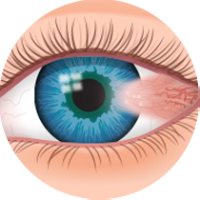
Understanding Pterygium and Pinguecula
Both pterygium and pinguecula are non-cancerous growths that appear on the conjunctiva — the thin, transparent membrane covering the white of your eye.
They often occur in people who spend a lot of time outdoors, especially in sunny, windy, or dusty environments.
Common Causes and Risk Factors
Both conditions share similar environmental and lifestyle risk factors:
- Chronic UV light exposure (especially from sunlight or reflective surfaces like water and sand)
- Dry, dusty, or windy conditions
- Frequent outdoor activity without eye protection
- Contact lens wear or chronic eye irritation
- Age and geographic location (more common in tropical or subtropical climates)
In South Florida, where sunshine and outdoor activity are a way of life, protecting your eyes with UV-blocking sunglasses and wide-brimmed hats is essential for prevention.

Symptoms of Pinguecula and Pterygium
While some patients experience little to no discomfort, others may notice:
- Redness or visible yellowish growth on the white of the eye
- Dryness or irritation, especially in windy or sunny conditions
- Foreign-body sensation (feeling like something is in your eye)
- Blurred vision if the growth extends onto the cornea
- Cosmetic concerns from visible eye changes
If you experience these symptoms, it’s important to have an eye examination to determine the cause and prevent progression.
Diagnosing Pterygium and Pinguecula
A comprehensive eye exam at Goldman Eye allows our doctors to carefully examine the growth under magnification.
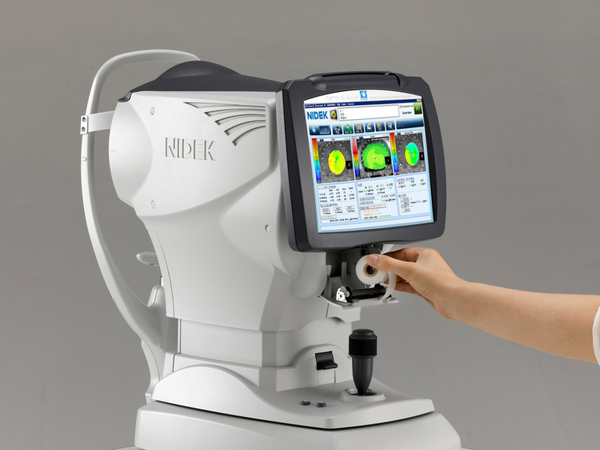
We may use slit-lamp imaging or corneal topography to measure any effect on the surface curvature of the eye.
In most cases, these growths are easily diagnosed and monitored without invasive testing.
Treatment Options
The best treatment depends on the severity of your symptoms, the size and location of the growth, and whether vision is affected.
Advanced Surgical Technique
Conjunctival Autograft
During this minimally invasive outpatient procedure:
This modern technique has greatly improved outcomes, offering:
- Low recurrence rates (less than 5%)
- Fast healing and minimal discomfort
- Improved cosmetic appearance
- Long-term vision protection
Our surgical approach preserves the natural shape of the eye and helps prevent regrowth, which was common with older surgical methods.
Postoperative Care and Recovery
Following surgery, patients typically:
- Use antibiotic and steroid eye drops to reduce inflammation and prevent infection
- Experience mild redness or irritation for several days
- Return to normal activities within 3–5 days
- Have follow-up visits to ensure proper healing
Most patients notice immediate improvement in comfort and appearance.
Preventing Recurrence
After treatment, the most effective way to prevent recurrence of pinguecula or pterygium is to minimize exposure to the factors that caused them in the first place.
Prevention Tips:
- Wear UV-protective sunglasses outdoors, even on cloudy days
- Use wide-brimmed hats for added protection
- Avoid dusty, windy environments whenever possible
- Keep eyes lubricated in dry conditions
- Avoid smoking and chronic eye irritation
Consistent protection and lubrication can significantly lower your risk of recurrence.

Why Choose Goldman Eye
- Specialized Expertise: Our ophthalmologists are highly trained in corneal and anterior segment surgery, ensuring safe and precise outcomes.
- Advanced Technology: We use state-of-the-art microsurgical instruments, high-definition imaging, and tissue adhesives for optimal healing.
- Personalized Care: Every treatment plan is tailored to your symptoms, lifestyle, and cosmetic goals.
- Comfort and Convenience: Outpatient surgery and rapid recovery mean minimal downtime.
Whether you need simple eye-drop management or surgical correction, you can trust Goldman Eye to provide compassionate, expert care.